When selecting a high-performance bike, carbon bike parts play a crucial role in enhancing speed, stiffness, and comfort. From carbon frames to carbon bike wheels, each component impacts your cycling experience. Understanding the different carbon fiber components and how they contribute to your bike’s performance will help you make the best choice for your needs.
What Are Carbon Bike Parts?
Carbon bike parts are components made from carbon fiber, a lightweight and extremely strong material used in bicycles. These parts include frames, wheels, handlebars, forks, seatposts, and pedals. Carbon fiber allows each part to be stiff yet light, improving the bike’s performance and efficiency. Unlike traditional metal components, carbon parts can absorb vibrations while maintaining strength, giving a smoother and more responsive ride.
Carbon Bike Frames
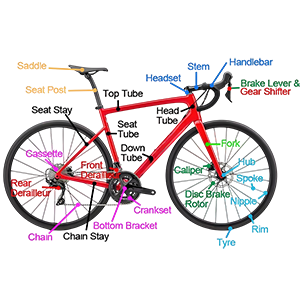
Carbon frames are the foundation of any high-performance bike. Understanding the types, materials, and geometry of these frames helps you select the right option for your needs.
Carbon fiber frames are designed for different scenarios. Carbon road frames tend to be lightweight and aerodynamic, carbon fiber mountain bike frames focus on durability and shock absorption, and hybrid frames take into account both comfort and stability.
Carbon Frame Materials and Weaves
Once you know the type, the next step is understanding the materials. Carbon frames are made from layers of carbon fiber sheets, called weaves, bonded with resin. Common weaves include UD (unidirectional), 3K, and 12K, each offering different stiffness, weight, and vibration absorption. High-modulus carbon is especially lightweight and stiff, making power transfer more efficient.
Frame Geometry and Riding Style
The frame’s geometry directly affects how the bike handles. Racing frames typically have aggressive geometry with lower handlebars, favoring speed and aerodynamics. Endurance or gravel frames feature relaxed geometry for long-distance comfort. Mountain bike frames have slacker angles to improve stability and control on trails.
Carbon Bike Wheel Parts
When you upgrade to carbon bike wheel parts, you reduce weight and improve responsiveness. Let’s explore the key components, types, and advantages of carbon wheels so you can choose the best setup for your bike.
Anatomy of Carbon Wheels
Carbon wheels are made up of several key parts: carbon rims, hubs, carbon spokes, and nipples. The rim is usually the most visible carbon component, providing stiffness and aerodynamic benefits. Hubs house the bearings and interface with the drivetrain, while spokes transfer power from the hub to the rim.
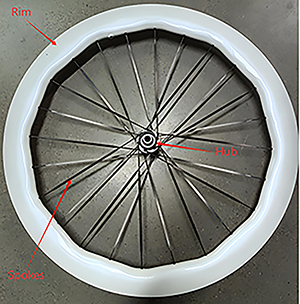
Not all carbon rims are the same. Clincher rims are common for daily riding and racing, tubular rims are glued to specialized tires for competitive use, and tubeless-ready rims offer lighter weight and fewer flats.
Wheel Performance Advantages
Switching to carbon wheels brings noticeable benefits. They are lighter than aluminum, reducing rotational weight and improving acceleration. Carbon rims and spokes also provide greater stiffness, which enhances power transfer and cornering precision. Additionally, carbon can dampen vibrations, giving a smoother ride over rough surfaces.
Selecting the Right Wheels
When choosing carbon wheels, consider your bike type, riding style, and the terrain you’ll encounter. Road cyclists may favor deep-section aerodynamic rims, while mountain bikers need wider, reinforced rims for stability and shock absorption.
Carbon Handlebars and Stems
The handlebars and stem are critical for control, comfort, and overall bike performance. Let’s take a closer look at the types, benefits, and how to select the right combination for your bike.
Types of Handlebars
Handlebars come in various shapes to suit different riding styles. Drop bars are common on road bikes for aerodynamic positioning, flat bars are popular for mountain bikes and hybrids, and bullhorn or riser bars offer versatile control for urban or gravel riding.
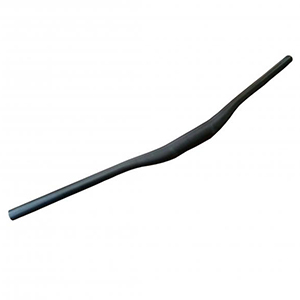
The stem connects the handlebars to the fork steerer tube and comes in different lengths and angles. Adjustable stems allow fine-tuning of reach and height, while standard stems offer lightweight simplicity.
Benefits of Carbon Handlebars
Carbon handlebars provide several advantages over aluminum or steel. They are lighter, which helps reduce overall bike weight, and they can dampen vibrations from rough terrain, making long rides more comfortable. Carbon stems also offer stiffness for efficient power transfer, contributing to better control during sprints and climbs.
Choosing the Right Handlebars and Stem
When selecting carbon handlebars and stems, consider your bike type, riding style, and preferred hand position. Road cyclists may prioritize aerodynamic drop bars, while mountain bikers need wider, sturdy handlebars for control.
Carbon Forks and Suspension
The fork is a key part of your bike that affects handling, comfort, and performance. Choosing the right carbon fork can make a noticeable difference in ride quality.
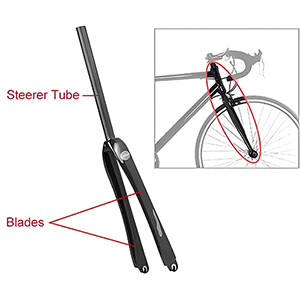
Here’s a simple comparison of rigid and suspension forks:
|
Feature |
Rigid Carbon Fork |
Suspension Fork |
|
Weight |
Lighter, less rotational mass |
Heavier due to suspension components |
|
Shock Absorption |
Minimal, relies on frame and tires |
Absorbs bumps and trail vibrations |
|
Maintenance |
Low |
Higher, requires regular servicing |
|
Best For |
Road, gravel, light commuting |
Mountain biking, rough terrain |
|
Performance Advantage |
Stiff, efficient power transfer |
Improved comfort and control |
Carbon forks are lighter and stiffer, improving handling precision. They also absorb vibrations, making rides smoother and less fatiguing.
Suspension Systems
Suspension forks come in various travel lengths and damping systems. Front suspension absorbs shocks from obstacles and rough terrain, improving control and comfort. Some high-end forks include adjustable damping and lockout features, allowing you to fine-tune performance for different rides or racing conditions.
How to Choose the Right Fork
Selecting the right fork depends on your bike type, terrain, and riding style. Road riders usually prefer lightweight, rigid carbon forks for efficiency, while mountain bikers need suspension forks for stability and shock absorption.
Drivetrain Components
The drivetrain is the heart of your bike’s performance. It transfers your pedaling power into forward motion, so every part, from the carbon crankset to the chain and derailleur, plays a vital role.
Cranksets and Bottom Brackets
Your crankset and bottom bracket determine how effectively your power reaches the wheels. Here’s a quick comparison between carbon and aluminum cranksets:
|
Feature |
Carbon Cranks |
Aluminum Cranks |
|
Weight |
Extremely lightweight |
Heavier than carbon |
|
Stiffness |
High torsional stiffness |
Moderate stiffness |
|
Power Transfer |
More efficient due to reduced flex |
Slightly less efficient |
|
Vibration Dampening |
Excellent at reducing road buzz |
Minimal vibration absorption |
|
Durability |
Strong but requires careful installation |
Highly durable, less prone to impact damage |
Carbon cranksets offer excellent stiffness-to-weight ratios, improving pedaling efficiency and power transfer. The carbon material naturally absorbs vibrations, providing smoother motion and comfort during long rides.
Chains and Cassettes
The chain and cassette define how efficiently power moves through the drivetrain. Modern carbon-compatible cassettes use lightweight steel or titanium to balance strength and precision. Choosing the right gear ratios depends on your terrain; closer ratios for flat roads, wider ratios for climbing. A clean, well-lubricated chain ensures smooth shifting and long-lasting performance.
Derailleurs
|
Feature |
Mechanical Derailleur |
Electronic Derailleur |
|
Shifting Method |
Cable-actuated |
Battery-powered and motor-driven |
|
Accuracy |
Good, may require tuning |
Highly precise, automatic trimming |
|
Maintenance |
Requires periodic cable adjustment |
Needs battery charging and software checks |
|
Performance |
Reliable and affordable |
Smooth, consistent shifting under load |
|
OEM Compatibility |
Easy to integrate across various setups |
Preferred for high-end or pro-level builds |
|
Feature |
Clipless Pedals |
Flat Pedals |
|
Connection |
Secure shoe engagement |
Freer foot movement |
|
Efficiency |
Better power transfer |
Moderate efficiency |
|
Material Options |
Carbon or alloy bodies |
Alloy or composite |
|
Best For |
Road and racing use |
Trail, gravel, and casual riding |
|
Carbon Advantage |
Lightweight, stiff, high responsiveness |
Durable but generally heavier |
Braking Systems
Brakes play a crucial role in how your bike feels and performs on the road or trail. Whether you’re climbing, descending, or maneuvering through tight corners, the right braking system ensures control and safety.
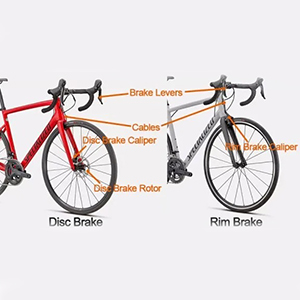
Rim Brakes vs Disc Brakes
|
Feature |
Rim Brakes |
Disc Brakes |
|
Braking Power |
Moderate, depends on rim surface |
Strong and consistent in all conditions |
|
Weather Performance |
Reduced in rain or mud |
Excellent in wet or dirty environments |
|
Weight |
Lighter overall |
Slightly heavier due to rotors and calipers |
|
Maintenance |
Simple, low cost |
Requires more setup and occasional bleeding |
|
Heat Management |
Heat builds on rims |
Heat dissipates through rotors |
Carbon braking components, such as rotors and pads, are designed to reduce weight and improve heat control. You’ll often notice smoother, more predictable braking on long descents. Carbon’s ability to resist deformation under stress gives you reliable modulation, helping maintain control even at high speeds.
Hydraulic vs Mechanical Systems
|
Feature |
Hydraulic Brakes |
Mechanical Brakes |
|
Power and Modulation |
Stronger, smoother control |
Adequate but less consistent |
|
Maintenance |
Needs fluid changes |
Easier cable maintenance |
|
Weight |
Slightly heavier |
Lighter overall |
|
Feel |
More responsive, less effort |
Requires more lever pull |
When choosing between rim, disc, hydraulic, or mechanical systems, think about how and where you ride. If you ride in variable weather or prefer strong, consistent stopping power, disc brakes with hydraulic systems are ideal. For lighter builds or simpler setups, rim brakes or mechanical systems may suit you better.
Saddles and Seatposts
Your saddle and seatpost directly affect how comfortable and efficient your ride feels. Choosing the right combination can help you stay balanced, reduce fatigue, and improve power transfer during long rides.
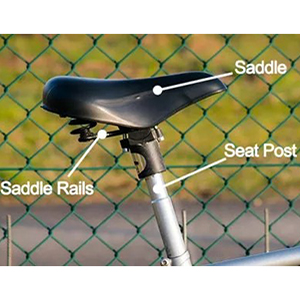
Saddles come in various shapes to suit different riding positions. Performance saddles are narrow and firm for efficient pedaling, while endurance or touring saddles offer more padding for comfort. Some models feature cutouts or pressure-relief channels to prevent numbness during extended rides.
Carbon Seatposts
A carbon seatpost helps absorb vibrations from the road or trail, providing a smoother, more comfortable ride. It’s also lighter than aluminum, reducing overall bike weight without sacrificing strength. You’ll notice better comfort and handling, especially on rough terrain.
Saddle Fit and Comfort
Finding the right saddle fit is personal; it depends on your riding style, posture, and sit-bone width. Try adjusting the saddle height and angle to find your ideal position.
Pedals and Accessories
Pedals play a key role in how efficiently you transfer power from your legs to your bike. Along with a few essential accessories, the right setup can greatly improve your riding control and overall performance.
Pedal Types
There are two main types of pedals—flat and clipless. Flat pedals are great for casual riding or mountain biking, offering quick foot release and better maneuverability. Clipless pedals, on the other hand, secure your shoes to the pedal for improved pedaling efficiency and power on long rides.
Carbon Pedals
Carbon pedals are becoming more popular for performance-focused riders. They’re lightweight yet strong, helping reduce rotational mass for faster acceleration. The stiffness of carbon also ensures consistent power transfer, making them ideal for racing or high-performance builds.
Essential Accessories
Accessories like cleats, pedal spacers, and shoe covers can make a big difference in comfort and efficiency. Other must-haves include handlebar tape, bottle cages, and torque wrenches to keep your carbon bike parts properly installed and maintained.
How to Choose the Right Carbon Bike Parts
Selecting the right carbon bike parts depends on how you ride and what you expect from your bike. Each component, from the frame to the wheels, affects your comfort, handling, and performance on the road or trail.
Consider Your Riding Style
For road cycling, prioritize lightweight, aerodynamic carbon components. For mountain biking, focus on durability and shock absorption with carbon suspension forks and sturdy wheels.
Budget and Brand Selection
Different brands use different carbon layup techniques and resins, which influence performance and cost. Set a realistic budget and look for reputable manufacturers known for quality testing and OEM support.
Compatibility and Fit
Always ensure that your chosen carbon parts fit your frame and drivetrain system. Even small mismatches, like stem diameter or bottom bracket size, can affect performance and safety.
Latest Carbon Bike Innovations
Modern carbon parts now feature EPS molding, aerodynamic shaping, and vibration-dampening tech for improved comfort and strength. Staying informed about new designs helps you choose components that match current industry standards and future trends.
Maintenance and Care for Carbon Components
Proper maintenance ensures your carbon bike parts last longer and perform at their best. With a few simple habits, you can keep every component—from your carbon frame to your wheels—in top condition.
Cleaning Carbon Parts
Use mild soap and water to clean carbon surfaces. Avoid harsh chemicals or high-pressure washers that could weaken the resin or scratch the finish. A soft microfiber cloth is ideal for wiping dirt and grime without damaging the surface.
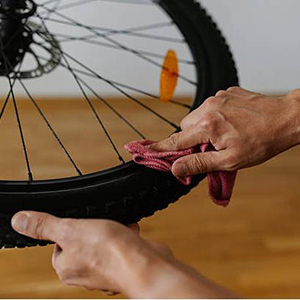
Regularly check your carbon components for cracks, chips, or unusual noises. Pay close attention to stress points like the bottom bracket, handlebars, and seatpost. Catching early signs of damage helps prevent sudden failure during rides.
Torque and Installation Guidelines
Always follow the manufacturer’s torque specifications when tightening bolts on carbon parts. Over-tightening can crush carbon fibers, while under-tightening may cause slipping. Use a calibrated torque wrench for accuracy.
Seasonal and Long-Term Maintenance Tips
Before each riding season, recheck your bike’s carbon components and apply carbon assembly paste where needed. Store your bike in a cool, dry place away from direct sunlight or extreme heat to preserve material strength over time.
Conclusion
By understanding the role of carbon bike parts, you can select the best components for performance and comfort. Whether upgrading your carbon frame, carbon wheels, or carbon handlebars, each part contributes to a smoother, faster ride. Proper care and maintenance of your carbon fiber components will ensure long-lasting performance.